

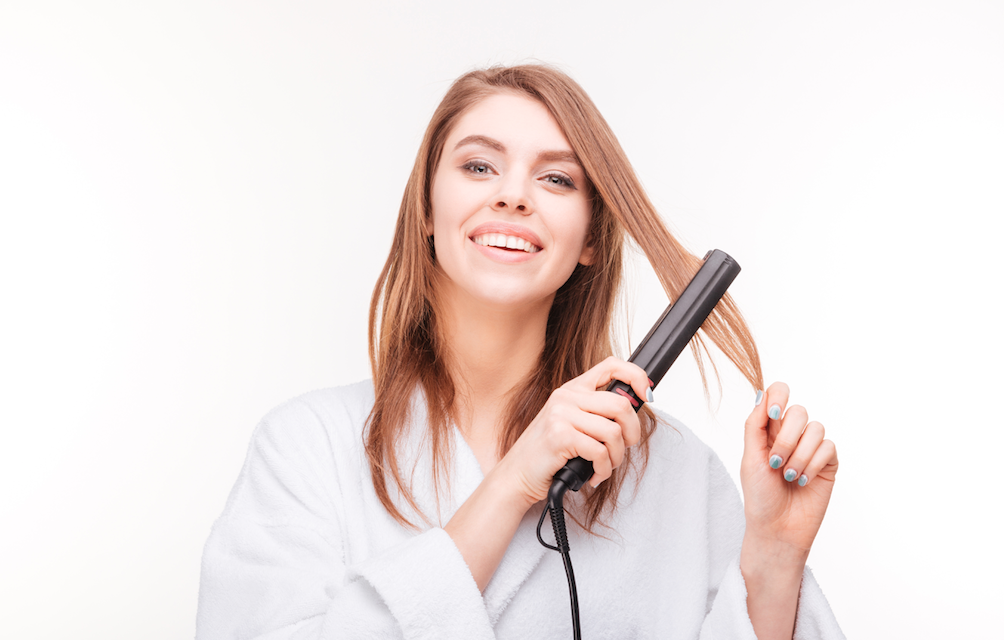
Achieving sleek, smooth hair often involves heat styling, especially when using a straightener. However, without the right precautions, frequent styling can weaken the hair, reduce shine, and lead to long-term damage. Understanding how heat affects your strands and adopting protective habits helps you enjoy polished, frizz-free hair while keeping it healthy and strong.
Understanding the Dyson Airstrait
The dyson airstrait is designed to straighten hair using powerful airflow rather than hot plates. This method helps minimise extreme heat exposure, making it a gentler choice for regular styling. It is especially useful for reducing the risk of dryness and split ends. Using tools that combine efficiency with advanced technology can make a noticeable difference in maintaining hair health.
Choosing a Good Hair Straightener
Selecting the right hair straightener is crucial when you want to avoid heat damage. Look for models with adjustable temperature settings, ceramic or tourmaline plates, and even heat distribution. These features help prevent hot spots that can burn or weaken the hair shaft. Choosing a tool that suits your hair type ensures safer and more effective styling.
Always Prep with a Heat Protectant
A heat protectant acts as a barrier between your hair and the high temperatures of styling tools. Whether in spray, serum, or cream form, it helps lock in moisture and reduces the amount of heat directly impacting the hair cuticle. Apply it evenly from mid-lengths to ends before you start straightening to maintain smoothness and prevent unnecessary dryness.
Work in Small Sections
Dividing your hair into manageable sections ensures that each strand gets equal attention. Straightening large chunks at once may require more passes, which increases heat exposure. Working in smaller sections allows the straightener to glide smoothly and achieve better results with fewer repetitions.
Use the Lowest Effective Temperature
Higher temperatures may seem quicker, but they put unnecessary stress on your hair. Instead, choose the lowest setting that effectively straightens your texture. Fine or naturally straight hair typically needs far less heat than thick or coarse hair. Adjusting the temperature according to your hair type preserves the integrity of your strands.
Avoid Straightening Wet Hair
Unless you are using a tool specifically designed for wet-to-dry styling, never apply a straightener to damp hair. Wet strands are more fragile and prone to breakage. Always ensure that your hair is completely dry before styling. Blow-drying gently on a low-heat setting or air-drying partially can prepare your hair without adding excessive heat.
Limit How Often You Style
Even when using protective methods, daily heat styling can weaken your hair over time. Try to limit straightening sessions by embracing your natural texture on some days or exploring heat-free styling options. Giving your hair regular breaks helps maintain strength and elasticity.
Maintain a Hydrating Haircare Routine
Using moisturising shampoos, conditioners, and nourishing masks provides essential support for heat-styled hair. Hydrated strands are more flexible and less prone to snapping. Regular trims also prevent split ends from travelling up the hair shaft and impacting overall smoothness.
Conclusion
Avoiding heat damage while still enjoying sleek hair is possible with the right approach. By choosing suitable tools, preparing your hair properly, and adopting healthier styling habits, you can maintain shine, softness, and strength. These small yet effective steps help you enjoy beautiful results without compromising your hair’s long-term health.
